
Interfacing Servo Motor with Atmega32 Microcontroller

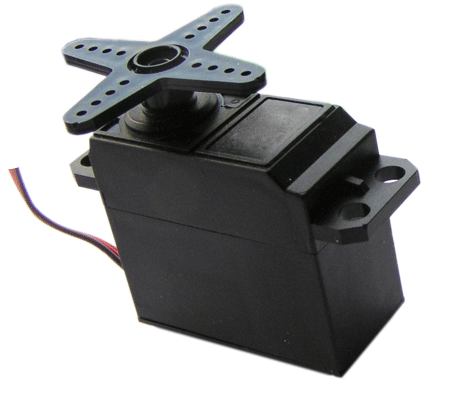
Servo Motor Servo Motor is a DC Motor equipped with error sensing negative feedback to control the exact angular position of the shaft. Unlike DC Motors it will not rotate continuously. It is used to make angular rotations such as 0-90°, 0-180° etc. Stepper Motors can also be used for making precise angular rotations. But Servo Motors are preferred in angular motion applications like robotic arm, since controlling of servo motors are simple, needs no extra drivers like stepper motor...
Interfacing DC Motor with Atmega32 Microcontroller

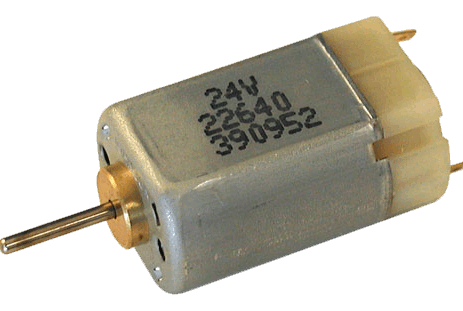
In some of your electronic projects you may want to control a DC Motor with Atmega32 Microcontroller. We can't connect a DC Motor directly to a microcontroller due to following reasons. A microcontroller can't supply the current required for the working of DC Motor. ATmega32 Microcontroller can source or sink currents up to 40mA but a DC Motor needs current very much more than that. The negative voltages created due to the back emf of the motor may affect the proper functioning of the microcontroller. You may need to...

Interfacing Servo Motor with 8051 using Keil C

A servo motor uses servo mechanism, which is a closed loop mechanism that uses position feedback to control the precise angular position of the shaft. Stepper Motors, which is an open loop system can also be used for precise angular control. But Servo Motors are preferred in angular motion applications such as robotic arm. Moreover controlling of servo motors are very simple, easy and needs no extra hardware like stepper motor. Usually hobby circuit servo motors have three wires. Two of them...

Interfacing LCD with Atmega32 Microcontroller using Atmel Studio

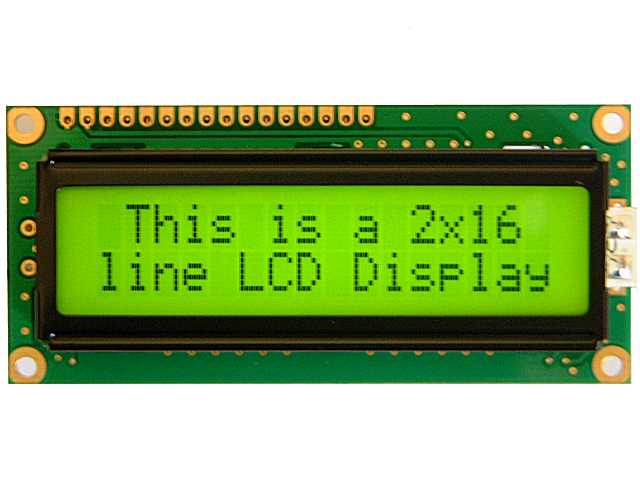
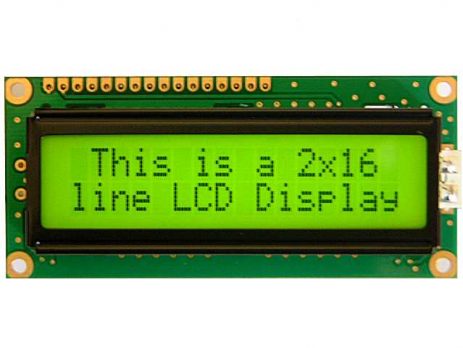
As we all know LCD (Liquid Crystal Display) is an electronic display which is commonly used nowadays in applications such as calculators, laptops, tablets, mobile phones etc. 16x2 character LCD module is a very basic module which is commonly used by electronic hobbyists and is used in many electronic devices and project. It can display 2 lines of 16 character and each character is displayed using 5x7 or 5x10 pixel matrix. 16x2 Character LCD Interfacing 16x2 LCD with Atmega32 Atmel AVR Microcontroller using...

FM Generation using 555 Timer

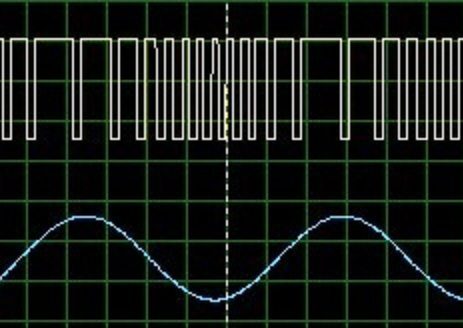
In communication systems, Frequency Modulation (FM) is the process in which information (message signal) is transmitted over a carrier wave by varying its instantaneous frequency. The difference between instantaneous frequency and central frequency of the carrier will be directly proportional to the instantaneous value of the amplitude of message signal. 555 Timer wired in Astable Mode can be used for generating Frequency Modulated (FM) waves. Please read the article Astable Multivibrator using 555 Timer for more...

Signal Generation in MATLAB

Here I’m going to show you how signals can be generated in MATLAB. If you are a newbie in this field, have a look at our MATLAB tutorials to get familiar with it. Plotting of Discrete and Continuous signal The 2 main functions for plotting are plot() function - For plotting Continuous signal stem() function - For plotting Discrete signal stem() - 2-D plot function for plotting discrete sequence of data SYNTAX : stem(y) - Plots the data sequence y specified equally spaced...

Dancing Light using 555 Timer

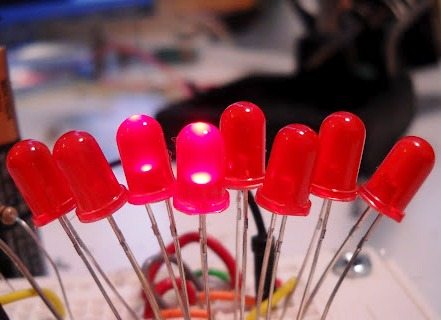
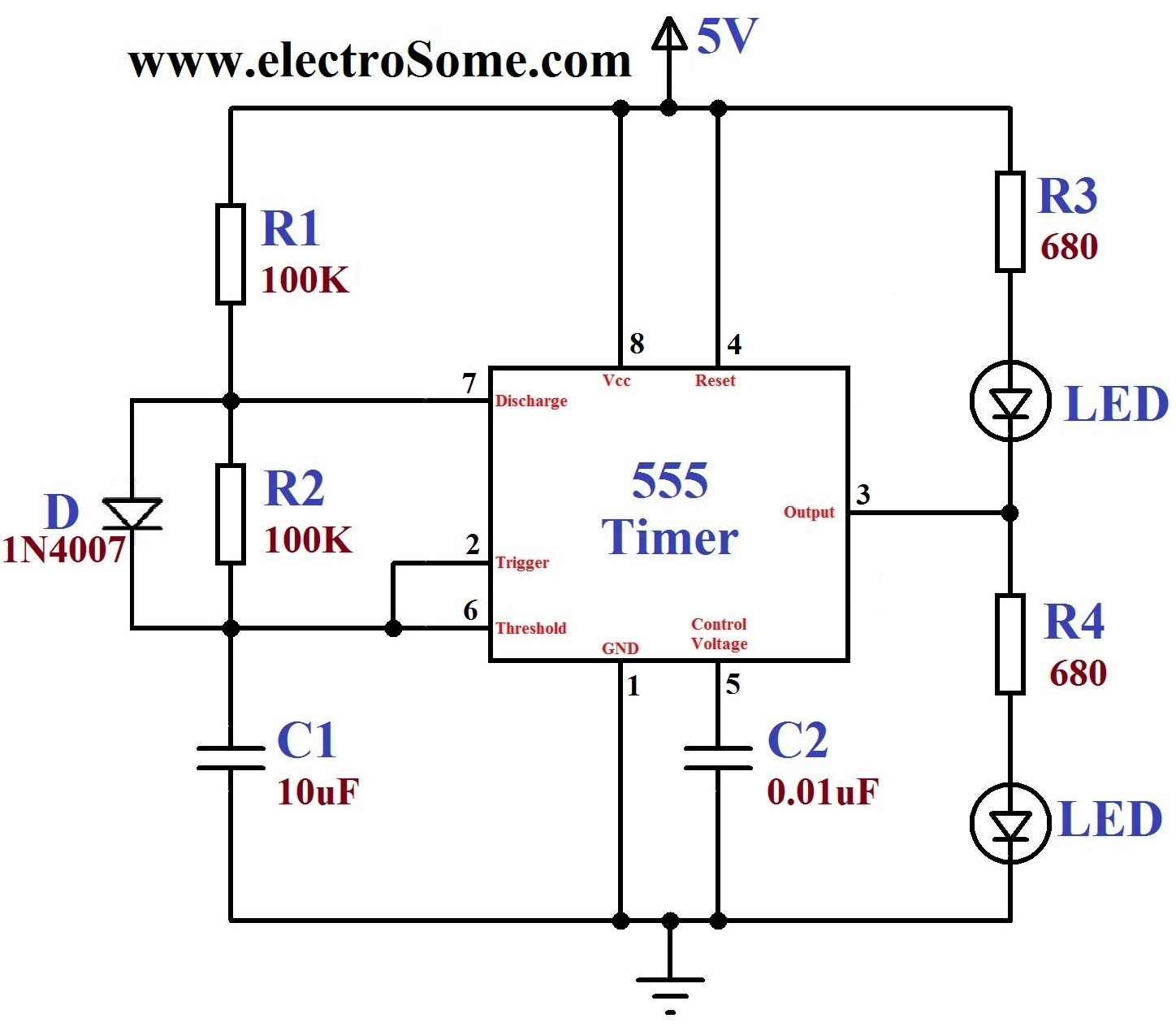
A dancing light can be easily constructed using a 555 timer wired in astable mode. Please read the article Astable Multivibrator using 555 Timer before continuing. This circuit blinks two LEDs alternatively with some delay and it can be easily modified to include more LEDs or for controlling incandescent lamps. Time period of oscillation is determined by RC time constant of the circuit. Circuit Diagram Dancing Light using 555 Timer - Circuit Diagram 1st and 8th pins of 555 timer are used to provide power, Vcc...

Interfacing Stepper Motor with 8051 using Keil C – AT89C51

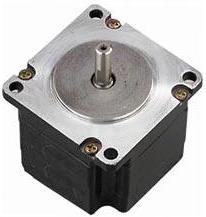
Stepper Motor A Stepper Motor is a brushless, synchronous DC Motor. It has many applications in the field of robotics and mechatronics. The total rotation of the motor is divided into steps. The angle of a single step is known as the stepper angle of the motor. There are two types of stepper motors Unipolar and Bipolar. Due to the ease of operation unipolar stepper motor is commonly used by electronics hobbyists. For more details please read the article Stepper Motor or Step Motor....

>